On October 15, 2026, Anthropic took Code Review out of its research preview phase and put it in general availability for Claude Team and Enterprise customers. The change isn't cosmetic: according to the company itself, a review that used to take around 20 minutes now takes between 6 and 10 minutes — a 3x improvement. For any agency already running code agents in its development pipeline, this matters today for one simple reason: automatic pull request review stops being a research preview experiment and becomes a production piece you'll need to govern, not just turn on.
What exactly changed on October 15
Code Review no longer lives behind an experimental flag. It's a product with activation rules, configurable levels, and for the first time, Enterprise promotional credits with an expiration date. According to Claude Code documentation and Anthropic's help center, the flow looks like this:
- An Organization Owner activates Code Review from Claude Code settings, installs the Claude GitHub App and chooses which repositories to cover.
- Reviews can trigger automatically when a pull request opens, after each push, or only on demand when someone with write permissions comments @claude review.
- Each repository has a configurable depth level — Quick (fastest and lightest), Standard (the default, balance between depth, speed, and cost), and Deep (most thorough and slowest) — and the Owner can set a default for the whole organization.
- For now it only works with repositories hosted on GitHub, including GitHub Enterprise Server and GitHub Enterprise Cloud with data residency.
What the review does — and what it doesn't
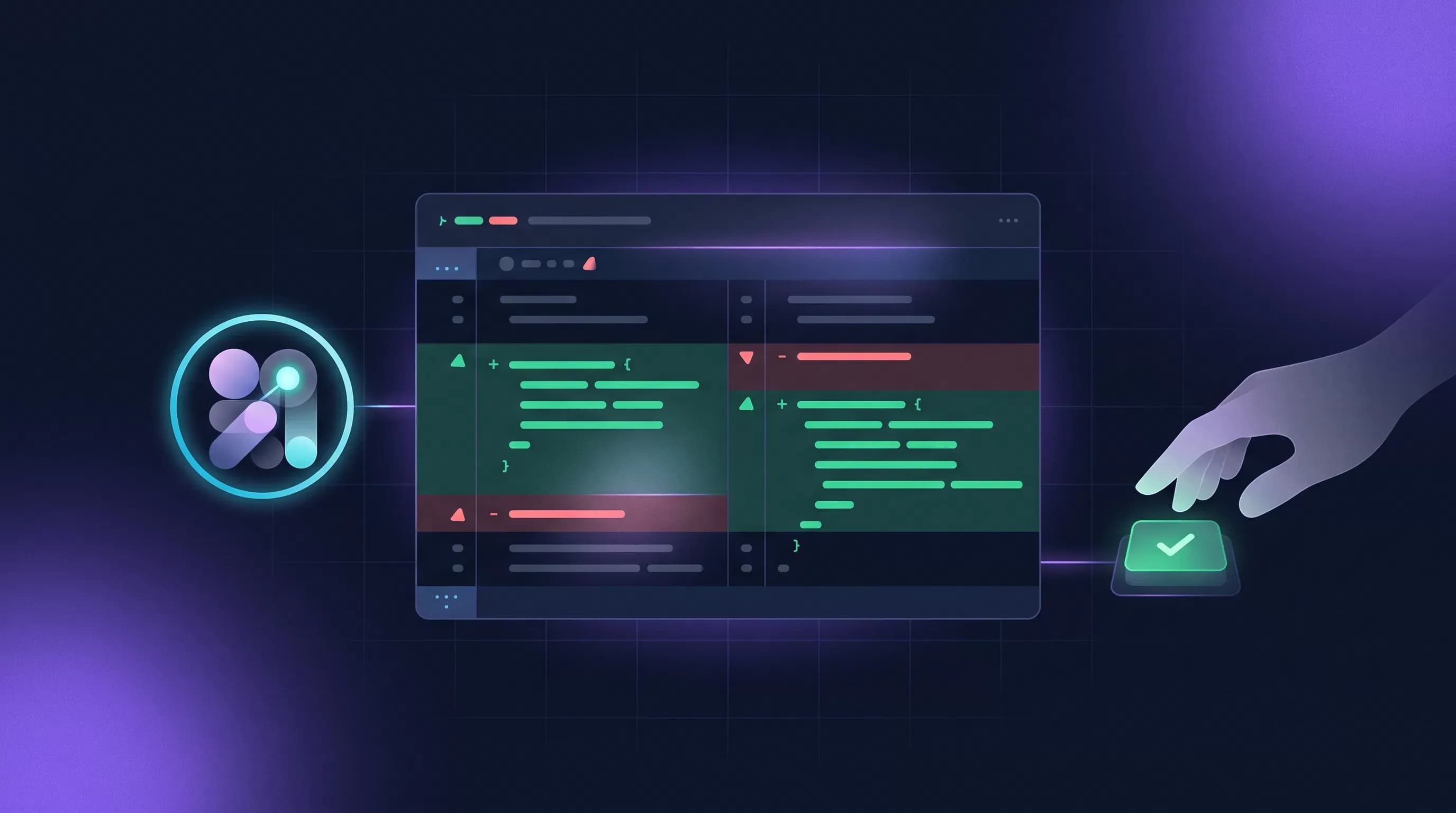
Here's the data point that really changes how you should think about this: Code Review reads the diff and surrounding code, without compiling or running anything, with read-only access to the repository. It doesn't push commits. And, verbatim from Anthropic's own documentation: "Code Review does not approve or block a pull request." The decision to merge stays, by design, with a person.
The "3x faster" is Anthropic's number, not an independent benchmark
It's worth pausing here for a second because this is exactly the kind of headline a B2B marketing agency should look at with one eyebrow raised. The "20 minutes to 6-10 minutes" comparison is Anthropic itself comparing its GA product against its preview product — there's no third-party benchmark behind the number, and the coverage that circulated this week repeats it by citing straight from the company's changelog. That doesn't make it false: it makes sense that a product comes out of preview more optimized. But if you're going to use that number in a client proposal or internal productivity report, professional honesty asks you to clarify the source. At Geek Vibes we treat it the way we treat any speed claim from any vendor: useful as direction, not as truth measured against your own stack.
The fine print almost nobody reads: credits, compliance, and encryption keys
The least covered part of this launch — and the one that matters most to an agency managing regulated clients — is in the terms, not the headline:
- Eligible Enterprise organizations can claim between $10,000 and $50,000 USD in Code Review promotional credits, depending on the number of active Claude Code seats. The deadline to claim them is January 15, 2027.
- The 30-day clock to use those credits starts ticking from the moment you claim them — not from when you start using them. If you claim and take time to activate repositories, you lose budget without having reviewed a single line.
- Code Review is not available for organizations with Zero Data Retention or HIPAA configurations. Anthropic is explicit: it's not covered by their Business Associate Agreement.
- Customer-managed encryption keys still don't have support.
If your agency works with banks, healthcare, or government — the same type of client that already demands zero data retention from other AI tools — this feature, as it stands today, simply doesn't apply for that code. And if you manage multiple Enterprise organizations from different clients, the detail of that 30-day clock is the kind of fine print that makes you lose real budget if you claim it "to have it saved" before you're ready to use it.
What this means for development agencies
The actionable lesson isn't "turn it on" or "ignore it" — it's where you put it in your QA flow:
- Use it as a first triage layer, not as a substitute for human judgment before merging. Anthropic itself designed the product so it doesn't approve or block anything; respect that boundary in your internal processes too.
- Before turning it on for a regulated client, check if their organization runs with Zero Data Retention or HIPAA. If so, Code Review isn't an option today — and promising it in a proposal without verifying it is the kind of mistake that costs credibility.
- Define the depth level per repository based on what really matters: Quick for low-risk repos with high PR volume, Standard as a reasonable default, and Deep reserved for sensitive modules — authentication, payments, infrastructure — before a major release.
- If you're going to claim Enterprise credits, first leave the repositories configured and ready to run. The clock doesn't wait for you to finish onboarding the feature.
At Geek Vibes we're treating it the same way we treat any automatic code review in client projects: as a quick pass that catches the obvious — inconsistent names, repeated logic, a console.log left behind — so senior reviewer time goes to what really needs judgment: architecture, security, and business decisions baked into the code. Claude's Code Review can speed up the first part. The second one stays, and should stay, human work.
If your development team is already evaluating putting AI code review in its pipeline — or if you already have it on and aren't sure what it really covers in terms of compliance — write us at comercial@geekvibes.agency. We'll review it together before that 30-day clock starts ticking.