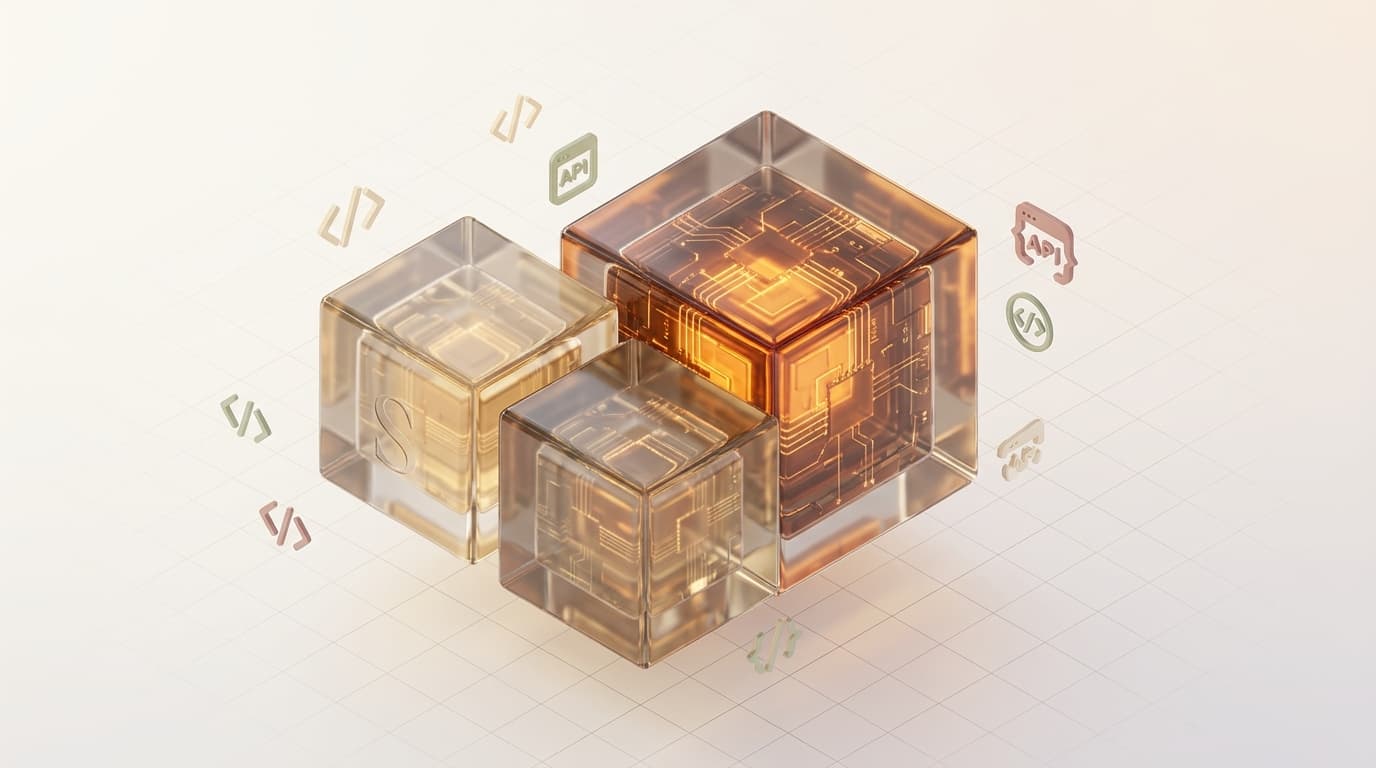
El 18 de mayo 2026, Anthropic adquirió Stainless, la startup que construye SDKs de alta calidad para productos API. Stainless fue responsable de los SDKs oficiales de la API de OpenAI, Cloudflare, Merge, y varios otros. Sí, leíste bien: la empresa que hizo los SDKs de OpenAI ahora trabaja para Anthropic.
La operación no se anunció con fanfarria pública porque, en apariencia, parece menor. Pero es una de las señales más interesantes del año sobre hacia dónde va la guerra de los modelos.
¿Qué hace Stainless exactamente?
Para no-developers: cuando una empresa lanza una API, los developers necesitan una librería en su lenguaje (Python, TypeScript, Go, Java, etc.) para llamar esa API sin tener que armar HTTP requests manualmente. Eso es un SDK.
Hacer un SDK "que funcione" es fácil. Hacer uno que sea idiomático, tipado, mantenible y con buena DX es difícil. Stainless se especializó en eso. Sus SDKs tienen autocompletado decente, mensajes de error útiles, retries automáticos, streaming bien implementado, y consistencia entre lenguajes.
Por qué importa para los que ya usamos Claude API
Si ya estás construyendo producto sobre Claude API (como nosotros en GV Proposals, en Geek Agent, y en varios proyectos cliente), las próximas 6-12 semanas no van a cambiar mucho. Pero en los siguientes 6-12 meses, esperamos: