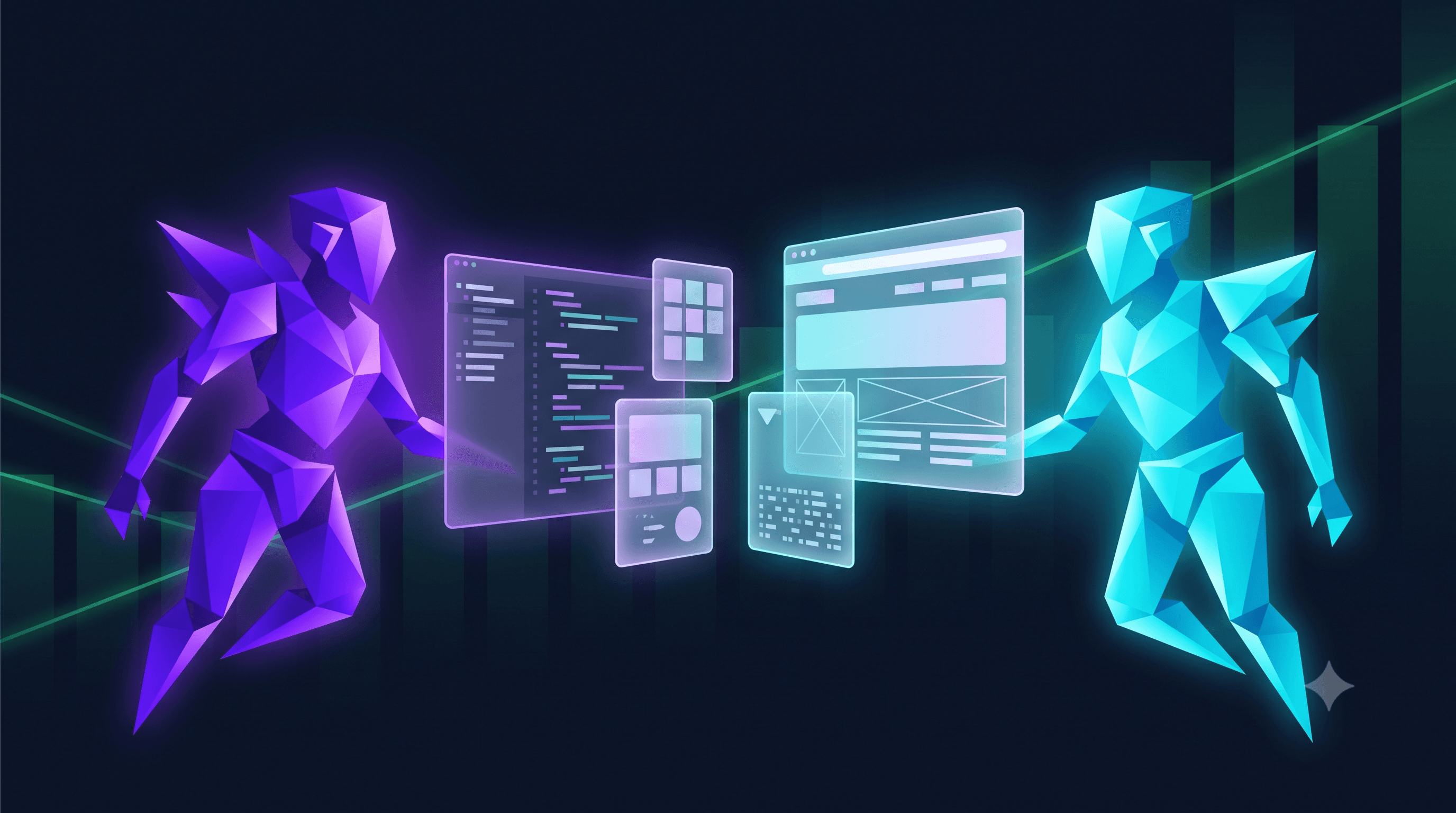
ES El martes pasado, Moonshot AI —un laboratorio chino poco conocido fuera de círculos muy específicos de IA— lanzó Kimi K3, un modelo de 2.8 billones de parámetros, y en cuestión de horas subió al primer lugar del Frontend Code Arena, el benchmark de Arena.ai que mide qué modelo escribe mejor interfaces cuando humanos reales votan a ciegas entre dos resultados. Kimi K3 cerró con 1,679 puntos, 48 puntos por encima de Claude Fable 5 (1,631) y por delante de GPT-5.6 Sol (1,618). En Terminal-Bench 2.1 sacó 88.3%, apenas detrás del 88.8% de Sol. Es la primera vez que un modelo de pesos abiertos entra al top 2 de ese benchmark.
Esto importa hoy, en Geek Vibes, porque llevamos meses armando stacks de desarrollo asistido por IA para clientes y la pregunta que más nos hacen founders y CTOs ya no es "¿cuál es el modelo más inteligente?" sino "¿en cuál puedo confiar para no reescribir el frontend tres veces?". Frontend Code Arena responde justo eso.
Por qué este benchmark pesa más que otros
La mayoría de los benchmarks de código miden si un modelo resuelve un problema algorítmico cerrado — útil, pero lejano de lo que hace un equipo de producto todos los días. Frontend Code Arena funciona distinto: presenta el mismo prompt de diseño a dos modelos, genera dos interfaces reales, y humanos votan cuál preferirían usar. Mide gusto, jerarquía visual, consistencia de componentes — exactamente lo que un cliente juzga cuando ve una demo.