Google acaba de soltar bomba en su I/O 2026. La nueva familia Gemini 3.5 ya no se presenta como un "asistente" sino como una capa de inteligencia que opera transversalmente en todo el ecosistema Google: Workspace, Android, Chrome, Search, Cloud. Es un cambio de framing — y los cambios de framing en Google suelen anticipar cómo va a operar la industria 12-18 meses después.
La noticia técnica más infravalorada: HTML-in-Canvas
Mientras todo mundo habla de los modelos, la API nueva más interesante para los que construimos producto es HTML-in-Canvas. Permite meter elementos DOM reales dentro de un canvas con WebGL y WebGPU, manteniéndolos accesibles, indexables e interactuables. Hasta ahora, si querías una experiencia 3D rica en el navegador, sacrificabas SEO, accesibilidad y soporte para screen readers. Esa trade-off acaba de morir.
Para una agencia como la nuestra, esto abre un terreno nuevo: experiencias inmersivas para clientes de retail, hotelería o automotriz que no son una excepción accesible aparte, sino que cumplen WCAG y son indexables por crawlers de IA por defecto. Y sí, eso incluye los crawlers de ChatGPT y Perplexity que están redefiniendo el GEO.
Antigravity: la plataforma agent-first
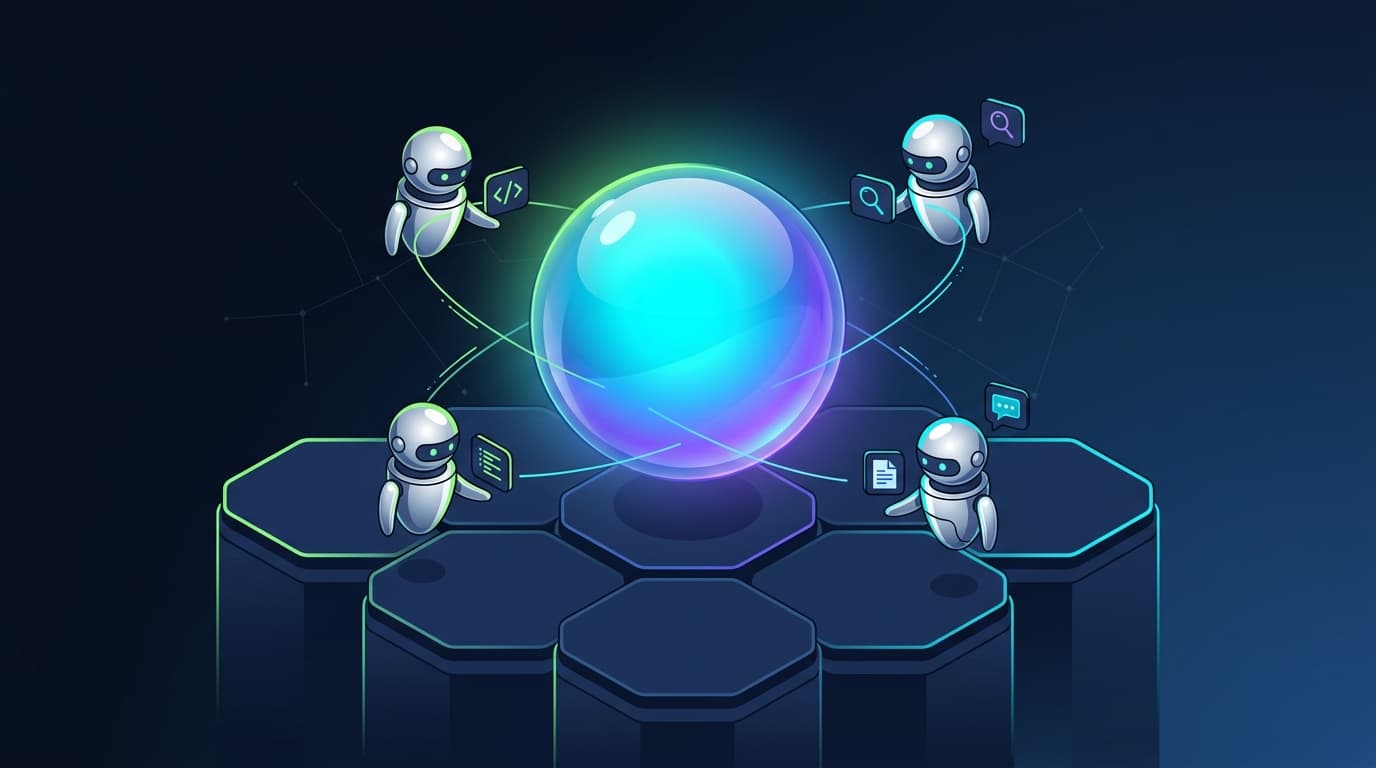
El otro anuncio gordo fue Antigravity, la plataforma agent-first de Google para construir y orquestar agentes que ejecutan tareas multi-paso de forma autónoma. No es "ChatGPT con plugins" — es infraestructura para coordinar varios agentes especializados que se reportan entre sí, comparten contexto y se corrigen mutuamente.
¿Caso de uso real? Un agente recibe un brief de cliente. Otro agente analiza la competencia. Un tercero genera assets. Un cuarto los publica. Y un quinto monitorea performance y sugiere ajustes. Todo orquestado, todo con context shared, todo sin que tú tengas que pasarle el output de un paso al siguiente como cinta de ensamblaje manual.
¿Por qué nos importa esto en una agencia digital?
Tres razones concretas:
1. Diseño de producto cambia de "clicks" a "delegación".
Los proyectos que estamos arrancando en 2026 ya no se diseñan pensando en un usuario que hace clicks paso a paso — se diseñan pensando en un usuario que delega una intención y revisa un resultado. Eso cambia la arquitectura de información, el copy, los flows de UX y hasta la forma en que medimos engagement. Si tu producto pide muchos clicks, está envejeciendo rápido.
2. El SEO/GEO se complica.
Si Gemini está embebido en Search, Chrome y Workspace, las reglas para aparecer en respuestas generadas cambian otra vez. Schema markup, contenido estructurado y citas verificables se vuelven aún más importantes. Las agencias que sigan vendiendo "10 blue links SEO" van a quedar fuera del juego.